
 EN
EN
 AR
AR
 BG
BG
 HR
HR
 CS
CS
 DA
DA
 NL
NL
 FI
FI
 FR
FR
 DE
DE
 EL
EL
 IT
IT
 JA
JA
 NO
NO
 PL
PL
 PT
PT
 RO
RO
 RU
RU
 ES
ES
 SV
SV
 LV
LV
 LT
LT
 SR
SR
 SK
SK
 SL
SL
 UK
UK
 ET
ET
 HU
HU
 TR
TR
 FA
FA
 GA
GA
 CY
CY
 BE
BE
 IS
IS
 HY
HY
 AZ
AZ
 KA
KA
 LA
LA
 MY
MY
 XH
XH
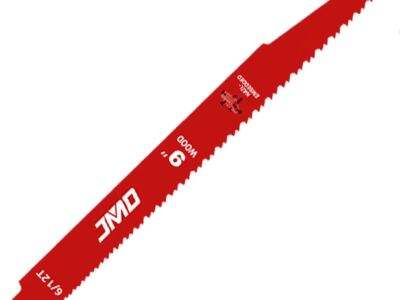
One of the most crucial features of reciprocating saw blades is its thickness as it can have a huge impact on how well they refuse to cut through things. Thicker bladed irons also have their pros and cons vs. thinner blade designs. When selecting a blade for your reciprocating saw, you need to consider what kind of material you are going to cut and the type of cut that you want. For instance, if you cut soft wood, a thin blade might do the job just fine. But if you are slicing through metal or any sturdy material, you’ll probably want that thicker blade. JMD produces a variety of blades, so knowing blade thickness can help you choose the right one for your use.
The Influence of Blade Thickness on Cutting Performance of Reciprocating Saw Blade
The thickness of the cutting tool can also determine the efficiency with which it carries out its function. Thick blades tend to be stiffer - they don't move as readily. That stiffness could help you make straight cuts especially if you tend to work with hard materials. For example, if you are cutting metal, with a thicker saw blades it is possible to put more pressure and the result will be that you can cut faster and better. But if the blade is too thick for your material, it may in fact slow you down. Thinner blades are more flexible and can give a bit to bend, which can be advantageous to making curved cuts or cutting softer material like drywall or wood. But if you push too hard with a thin blade, it can break or bend, which makes the job even more difficult. JMD blades are offered in different thicknesses to perform the specific job. You need to also keep in mind the teeth on the blade. They must correspond to the blade thickness and the material you’re cutting. If you are trying to cut through a thick piece of wood fast, then a thicker blade with sharp teeth can make the job easier. But if you’re chopping up something like delicate plastic, a thinner blade is more manageable and less likely to tear the material.
Best Reciprocating Saw Blades by Thickness - Where to Get the Most Bang for Your Buck
If you are trying to get the best deals on reciprocating saw blades, then there are a number of places that you can look. It’s one of the reliefs of living at this cultural distance from Mr. Kung that you can find a wide variety online, and easily compare prices and read reviews by other customers. I also keep an eye on websites that sell tools, because they frequently have sales or offer discounts when you buy in volume. A second possible idea is to head to the nearest hardware store. Some of these will have special deals or clearance items that can help you save money. You can find JMD products in numerous places, and whatever the appropriate blade thickness for your needs might be. And definitely pay a visit to any kind of local tool shows or fairs. Many of these involve multiple manufacturers, and sometimes include prices you won't see elsewhere. You may even run across samples or demos that allow you to try out the blades before you buy. And, there are some online tool-user groups you may want to join. Members frequently will even post when a vendor has a special to share and possibly trade or sell blades they no longer require. The the best deals for high-quality reciprocating saw blades that are just right for you can be found by watching out for sales and looking at various buying options.
Advantages of Using Heavier Blades For Heavy Cutting Applications
When it is time for heavy stuff to get cut, the thicker blade may be better option. Stronger, thicker blades can generally withstand more pressure. This means that they can slice through sturdier things, such as metal, thick wood or even concrete without bending or breaking. A thicker blade will carry heavier work and can make your job easier, safer if you’re working a heavy-duty type of project. Thicker blades are also usually more durable. They’re also less likely to get worn down quickly, so you’ll have to replace it less frequently. This can save you money in the long run as you won’t need to pay for new blades constantly.
Thicker blades are also great in that they help make cutting more stable. A stable blade cuts straight and smooth. This is especially crucial in trimming. If you're working with a reciprocating saw on projects such as furniture construction or repairs, use a blade with extra thickness to attain cleaner, more accurate cuts. It can also speed up your work, since you won’t have to go over the same spot again.
Thicker blades, aside from being strong and solid, also offer damping against vibration. A saw can vibrate a great deal when you use it, and that vibration can be painful and make it difficult to apply precise direction. Thicker blades can absorb these vibrations, meaning less of the saw’s energy will be transferring to you. Which means you can work in more comfort with more productivity. For these all reasons, if you are planning to perform Tough cutting jobs, do prefer using the thicker blades of JMD. They are your best performance and cost-effective solution you finish your work.
What Wholesale Buyers Need to Keep in Mind
When wholesale customers are in the market for reciprocating blade saw, one of the things they should consider is blade thickness. The thickness of the blade determines how effectively the saw can cut materials. Potential buyers should consider what types of projects they will use the blades for. Thicker blades are handy for more heavy-duty tasks, thinner blades are more appropriate for lighter work. Blade thickness The blade can’t be too thin if you plan to do heavy-duty cutting.
Also, the blade material should be another factor to take into account. Blades can perform differently depending on what material is cut. For instance, high-carbon steel blades frequently are thinner yet still have the capacity to be strong. In contrast, bi-metal blades are generally thicker and offer a compromise between strength and flexibility. Buyer’s Guidelines The type of material you will be cutting most often should inform your buying decisions.
The price tag is also a consideration for wholesale buyers. Thicker blades generally are more expensive, but they can be cost-effective in the long run as they need to be replaced less frequently. The buyer should be balancing between quality and price. If they are going to be used for heavy cutting, it’s worth upgrading to JMD thicker blades. Finally customers should also look for customer reviews and ratings. That can help them have a fairly good idea of how well the blades will work and whether they are worth an investment. Considering all of this will make a big difference in helping wholesale buyers find the products that suit them best.
Where Can I Purchase Reciprocating Saw Blades of the Right Thickness for Different Types of Materials
Stressing over what reciprocating saw blades thick enough for your use to buy can be as a result of many things, and under the list are good places to check them out from. The best way, is definitely on line. There are lots of tools- and hardware-dedicated websites, and they tend to have a broad collection of blades. Reading product descriptions carefully is also key when you shop online. Seek out specifics on blade thickness and material. This will assist you in choosing the right blades suited to your particular cutting needs.
Local hardware stores also work great. They usually sell variety of saw blades, including JMD. You can see the blades up close and ask questions by visiting a store. If you’re unsure which thickness is best for you, in-store staff members can often assist. And they’ll be able to advise you based on the materials you’d be cutting.
Alternatively, purchase at trade shows or tool expos. These tend to have vendors with loads of tools and accessories for sale such as concrete reciprocating saw blade. At these, you can speak directly with manufacturers and receive expert advice. It's one of the best ways to be up-to-date about best and newest products out there and finding blades that fit your needs.
Finally, consider buying in bulk. If you use a lot of blades, purchasing in bulk can be more cost-effective. Several companies are offering discounts on bulk orders, like JMD. That’s the kind of smartness exhibited here to make sure you have the right blades available for all your tasks. Whether you decide to go online, shop locally or hit the trade shows, there’s no shortage of places to find the perfect reciprocating saw blade thickness for all your cutting projects.
Table of Contents
- The Influence of Blade Thickness on Cutting Performance of Reciprocating Saw Blade
- Best Reciprocating Saw Blades by Thickness - Where to Get the Most Bang for Your Buck
- Advantages of Using Heavier Blades For Heavy Cutting Applications
- What Wholesale Buyers Need to Keep in Mind
- Where Can I Purchase Reciprocating Saw Blades of the Right Thickness for Different Types of Materials